


Notes of Nectarine, LemonLime, Brown Sugar, Oolong Tea & Jasmine. Sweet, balanced and floral.
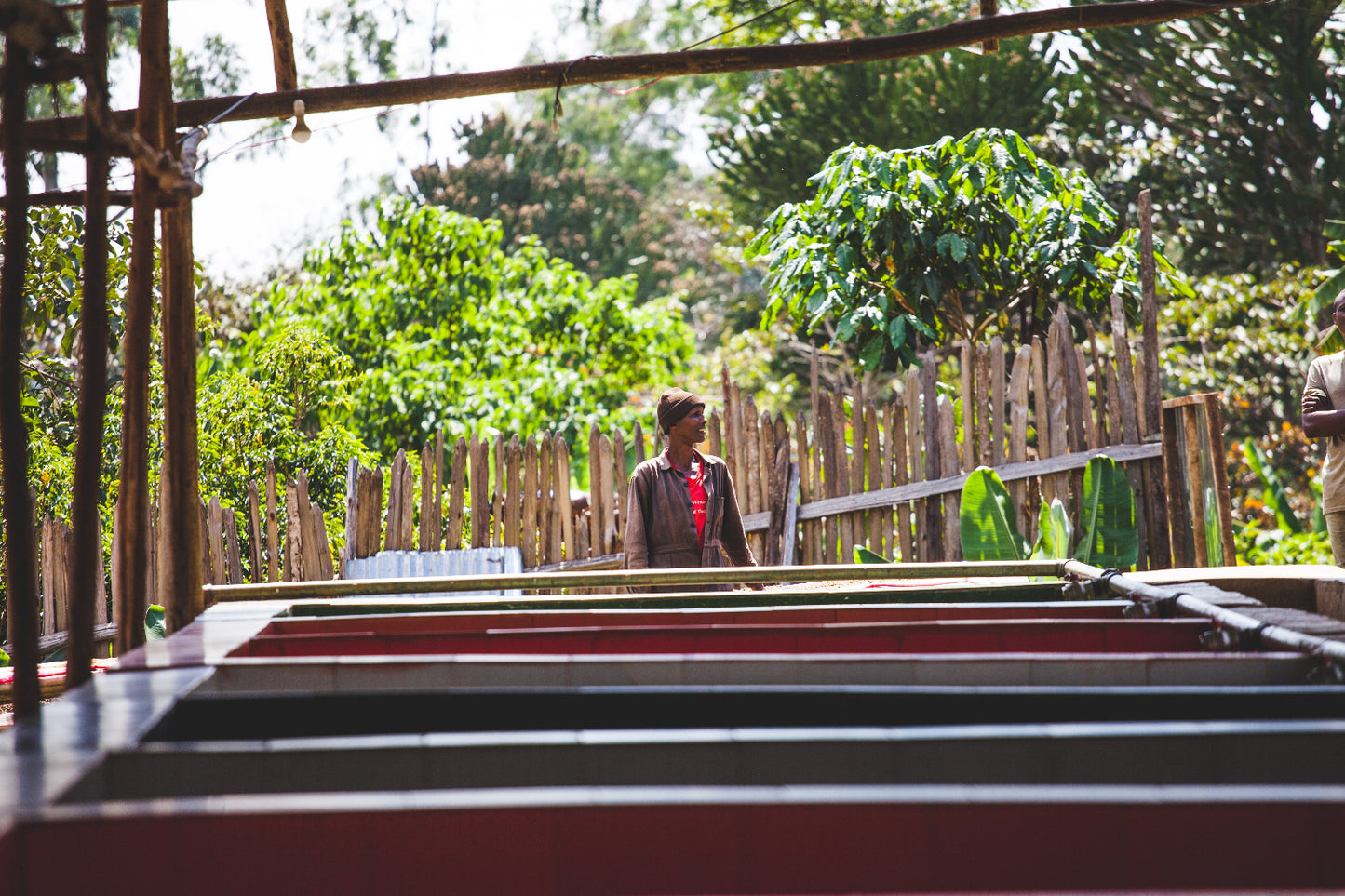
Washing Station: Bensa Station
Growers: Bombe Community Small holders
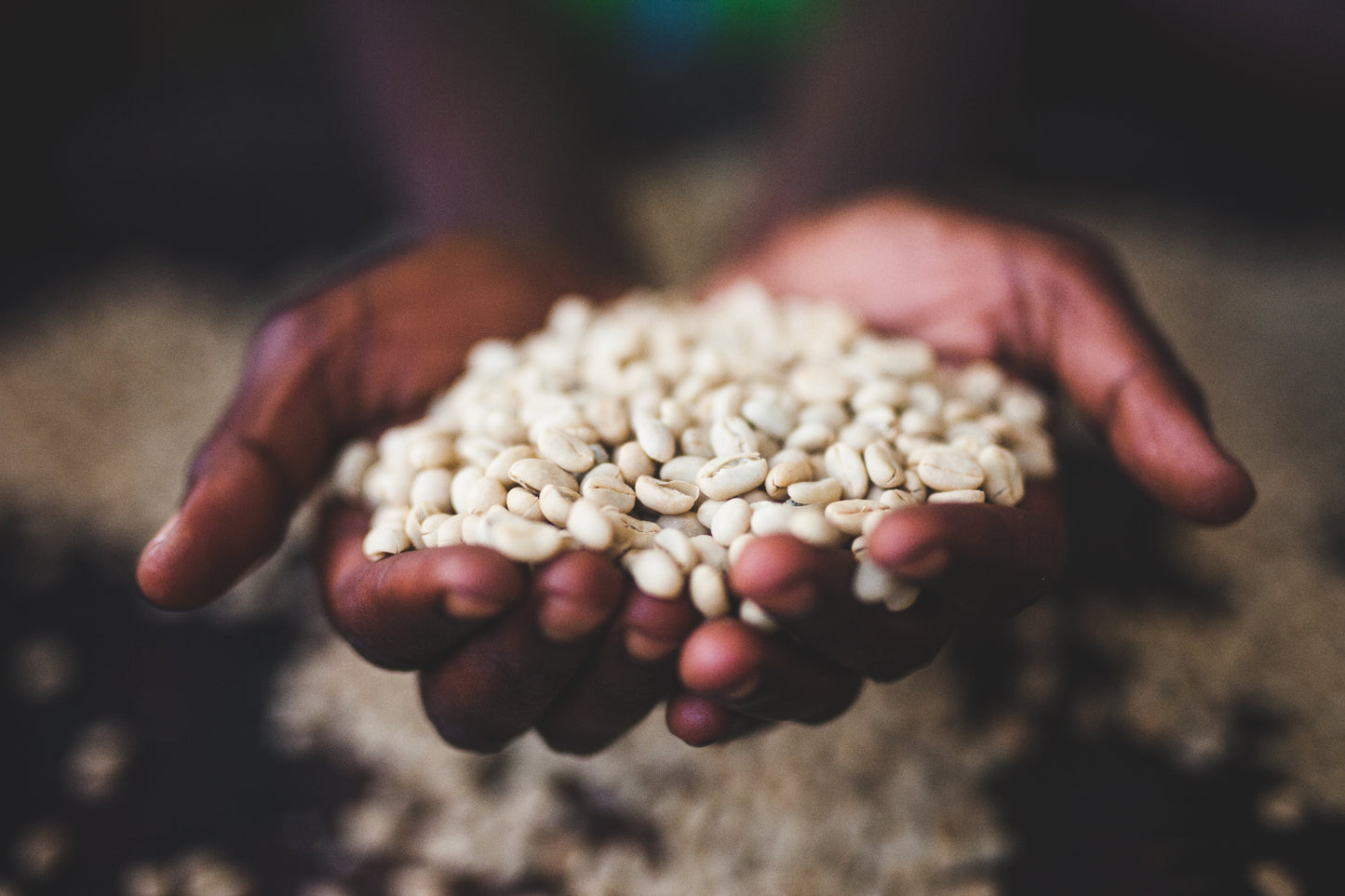
Process & Variety: Washed Ethiopian Landraces
Region: Bombe, Bensa, Sidamo
Altitude: 1800 to 2300 masl
Source Information via Red Fox Coffee Merchants:
Ethiopia’s Sidamo region is one of the best-known coffee-producing regions in the world. Like the rest of Ethiopia, it’s divided into several woredas (districts) and kebeles (communities) with washing stations throughout—each offering unique terroir. The Bensa woreda is one of them, and within it lies the Bombe kebele.
Bensa lies within a valley in a very mountainous area of Sidamo with kebeles throughout. This mountain chain can reach 3,000 meters above sea level. Bombe producers’ main income source is coffee, which they grow on very small farms ranging from 0.1 to 2 hectares. They usually intercrop with false banana trees for shade. Fertilization rarely happens in this area, although the soil is naturally very rich.
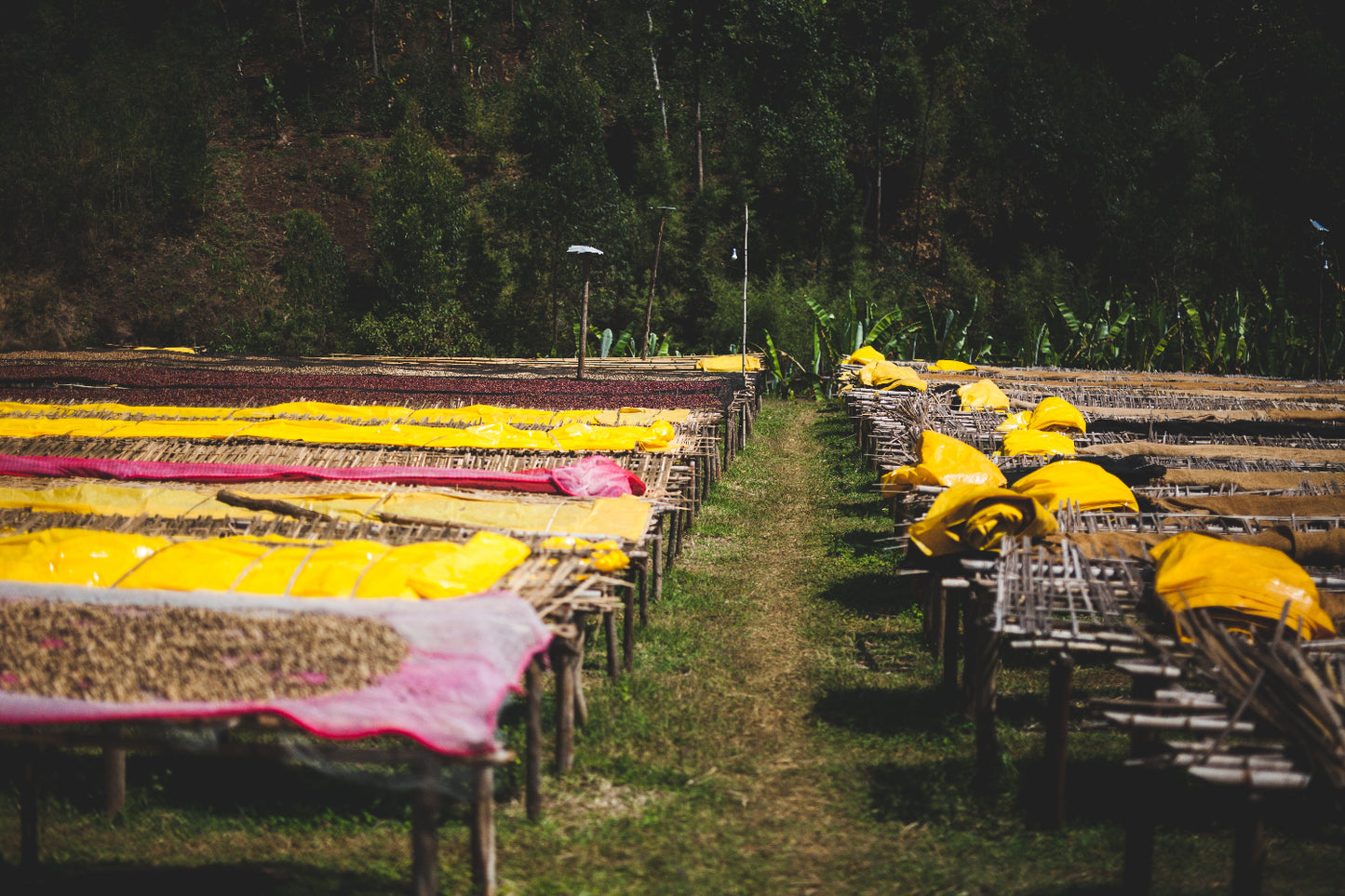
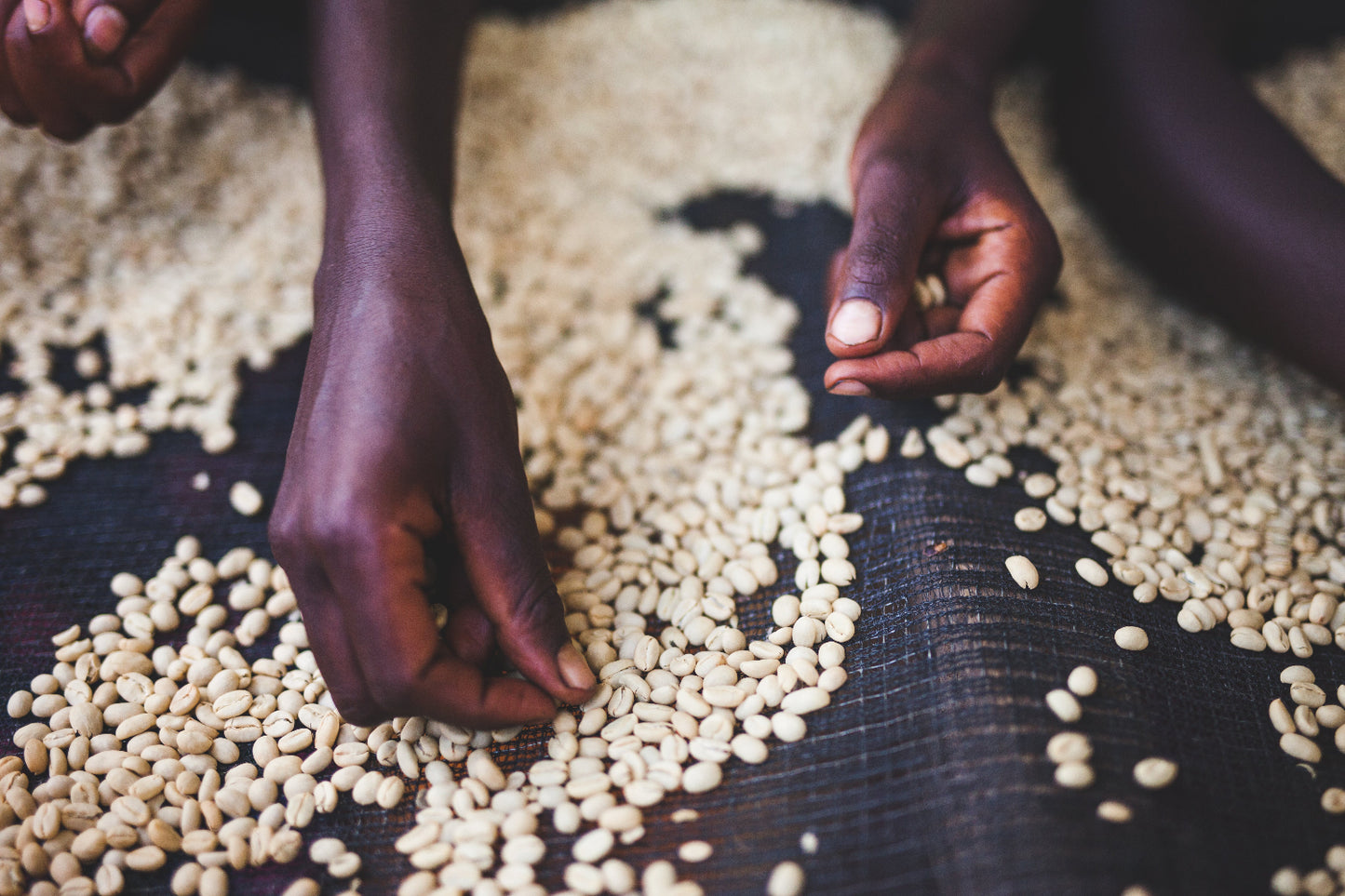
In the Bensa washing station, the coffees are fermented for 48 to 72 hours, depending on climate. The typical temperatures in this area used to reach as low as 32 F at night and 77 F during the day, but in recent years the climate has been rising to reaching 59 F at night and 86 F during the day. This has brought fermentation times increasingly closer to 48 hours than to 72 hours. After fermentation, coffee is dried for 4 to 5 days on raised beds, with frequent turning for even drying.
The people of Bombe belong to the Sidamo culture and speak various dialects of the Sidamo language. They maintain ancient traditions, like their round housing structures which are identical to those used in this area 10,000 years ago, or family campfire gatherings at the end of each day. Bombe producers are near the forest and have retained many of the original indigenous coffee varieties, which bring the heat with small beans and intense, diverse flavor.
Until a few years ago, the people of Bombe used to grow only coffee and subsistence crops, but due to low or unreliable coffee prices and the high care needs that come with them, many in the area began to replace coffee with eucalyptus and khat (a commonly used stimulant in Africa). Unfortunately, these crops are harmful to the environment due to their large consumption of water, which depletes the water table. Coffee, on the other hand, is native to the forests of Ethiopia and can have a forest-protective effect.
Much of the traditional coffee-specific knowledge is being lost as coffee cultivation becomes marginalized for khat and eucalyptus. These newer, non-native crops grow independently and don’t need the same kind of agricultural management coffee requires, despite their disruption of the native environment. That ease is attractive and profitable for the young people of the area, who often end up replacing all the coffee on their farms if they aren’t selling their farms entirely.
There are still producers in Bombe who value coffee and want to preserve their ancient agricultural knowledge for generations to come. Those in the area who want to persevere in coffee find enthusiastic buyers for their elite product at Red Fox. This market access is crucial for the survival of coffee in Bensa and probably one of the few factors that limits the destructive production of khat and eucalyptus in the area.